

What Is Foil Stamping?
Foil stamping is a premium packaging finishing technique used to add metallic, colored, or specialty foil to selected areas of a box or printed surface. Unlike conventional printing, which applies ink to create an image, foil stamping transfers a thin decorative film onto the packaging substrate.
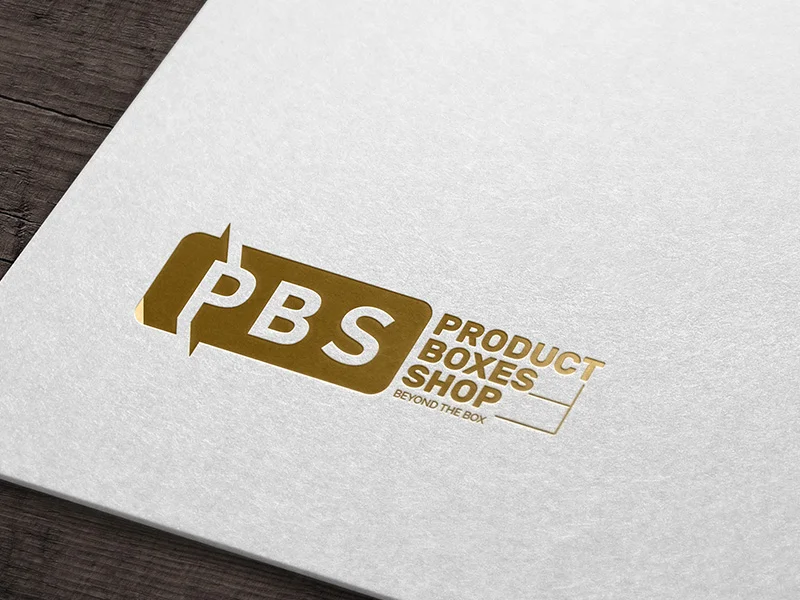
The result can be a brilliant gold logo, sophisticated silver lettering, colorful metallic artwork, holographic accents, or a subtle matte foil detail.
In packaging, foil stamping is often used to emphasize the elements that matter most: a brand logo, product name, border, emblem, seal, pattern, or short message. When applied thoughtfully, it can turn an ordinary package into a more distinctive brand experience.
The technique is particularly popular for luxury product boxes, cosmetics packaging, perfume boxes, jewelry packaging, gift boxes, candle packaging, premium food boxes, and specialty retail packaging.
Modern packaging suppliers use several approaches, including traditional hot foil stamping, cold foil techniques, digital foil processes, and combinations of foil with embossing or other finishing effects.

How Does Foil Stamping Work?
Although the finished effect looks sophisticated, the basic concept is straightforward.
Traditional hot foil stamping uses a prepared die, foil material, controlled heat, and pressure. The selected artwork is transferred from the foil onto the packaging surface when the heated die presses the foil against the substrate.
A typical production process includes the following stages.
1. Artwork Preparation
The first step is preparing the packaging artwork and identifying exactly where the foil will appear.
The foil area should normally be separated clearly from the rest of the artwork. This allows the production team to create the appropriate stamping die and check the design before manufacturing begins.
Logos, product names, borders, icons, and small decorative areas are common choices.
2. Die Creation
For traditional foil stamping, a die is created from the approved artwork.
The die determines where pressure will be applied and therefore where the foil will transfer. The quality and precision of this component can have a major effect on the sharpness of the final result.
3. Foil Selection
The appropriate foil is selected according to the visual objective of the packaging.
Gold and silver are classic choices, but packaging can also use copper, rose gold, colored pigment foils, holographic effects, matte finishes, and other specialty options.
4. Machine Setup
The packaging material, die, foil roll, temperature, pressure, and registration are carefully aligned.
The exact settings depend on the substrate, foil, artwork, and production equipment. A setting that works well on one board or paper stock may not produce the same result on another.
5. Heat and Pressure
During hot foil stamping, heat activates the foil’s transfer layer while pressure brings the foil into contact with the substrate.
The foil adheres only to the areas defined by the die.
6. Final Inspection
After stamping, the packaging should be inspected for registration, edge definition, coverage, adhesion, and surface appearance.
Sampling is particularly valuable when the design contains fine text, detailed artwork, or a combination of multiple finishing techniques.

What Types of Foil Are Used in Packaging?
Choosing the right foil is one of the most important decisions in a packaging project. Different foil finishes create very different brand impressions.
Metallic Gold Foil
Gold foil is one of the most recognizable premium packaging finishes.
It works particularly well for:
- Luxury cosmetics
- Perfume packaging
- Jewelry boxes
- Premium gift boxes
- Chocolate packaging
- High-end retail products
Gold can communicate elegance, prestige, celebration, and exclusivity.
Silver Foil
Silver foil offers a cleaner and more contemporary metallic appearance.
It can work especially well with:
- Technology products
- Modern cosmetics
- Electronics packaging
- Minimalist brands
- Premium accessories
Silver also pairs effectively with black, white, navy, dark green, and other strong background colors.
Rose Gold Foil
Rose gold provides a warmer metallic appearance than conventional gold or silver.
It is frequently suitable for beauty, fashion, gifting, wedding, lifestyle, and boutique products where the packaging needs a softer premium character.
Copper Foil
Copper creates a distinctive warm metallic appearance and can be useful when a brand wants something different from traditional gold.
It can work particularly well with kraft-inspired designs, earthy color palettes, artisan products, and specialty food packaging.
Holographic Foil
Holographic foil produces changing reflections and light effects.
Instead of presenting one consistent metallic color, the surface can display shifting visual patterns depending on the viewing angle.
This makes holographic foil useful for attention-driven packaging, special editions, entertainment products, creative brands, and selected security-oriented applications.
Pigment Foil
Pigment foils provide colored or opaque effects rather than relying exclusively on metallic shine.
This can be useful when a brand wants its logo or graphic element to stand out while maintaining a specific visual identity.
Matte Foil
Not every premium packaging design needs an intense metallic reflection.
Matte and softer foil finishes can create a restrained appearance that works well with minimalist, modern, or sophisticated packaging concepts.

What Packaging Materials Work With Foil Stamping?
Foil stamping can be incorporated into many packaging formats, but the substrate has a significant impact on the final appearance.
Common packaging applications include:
- Folding cartons
- Rigid boxes
- Kraft boxes
- Cardboard product boxes
- Gift boxes
- Magnetic closure boxes
- Sleeves
- Luxury retail packaging
- Labels
- Paper bags
- Specialty printed packaging
The surface should be suitable for the selected foil and production process. Highly textured or uneven substrates may require additional testing because they can affect edge sharpness and transfer quality. Packaging specialists commonly recommend sampling when the substrate or artwork presents technical challenges.

Why Is Foil Stamping Popular in Packaging?
Packaging has to compete for attention before a customer ever opens the box.
A metallic logo or carefully placed foil accent can create contrast against the rest of the package and immediately draw attention toward an important brand element.
Here are some of the major reasons brands choose foil stamping.
1. Creates a Premium Appearance
Foil can make packaging appear more sophisticated without requiring the entire box to be covered in decorative effects.
A simple logo in gold foil on a dark rigid box, for example, can create a strong luxury impression.
2. Strengthens Brand Recognition
Your logo is one of the most important elements of your packaging.
Using a distinctive foil finish on the logo can help create a recognizable visual signature that customers associate with the brand.
3. Adds Contrast
Foil becomes particularly noticeable when it is positioned against an appropriate background.
For example, metallic gold can stand out strongly against black or deep colors, while silver can complement cleaner, cooler designs.
4. Supports Premium Product Positioning
Packaging influences perceived product value.
For products positioned as luxury, premium, exclusive, or gift-worthy, foil stamping can help reinforce that positioning.
5. Enhances the Unboxing Experience
Packaging is not only about protecting a product.
Customers also interact with the box visually and physically. A carefully designed foil detail can make the opening experience feel more intentional and memorable.
6. Works With Other Finishes
Foil does not have to be used alone.
Depending on the packaging structure and production requirements, it can be combined with:
- Embossing
- Debossing
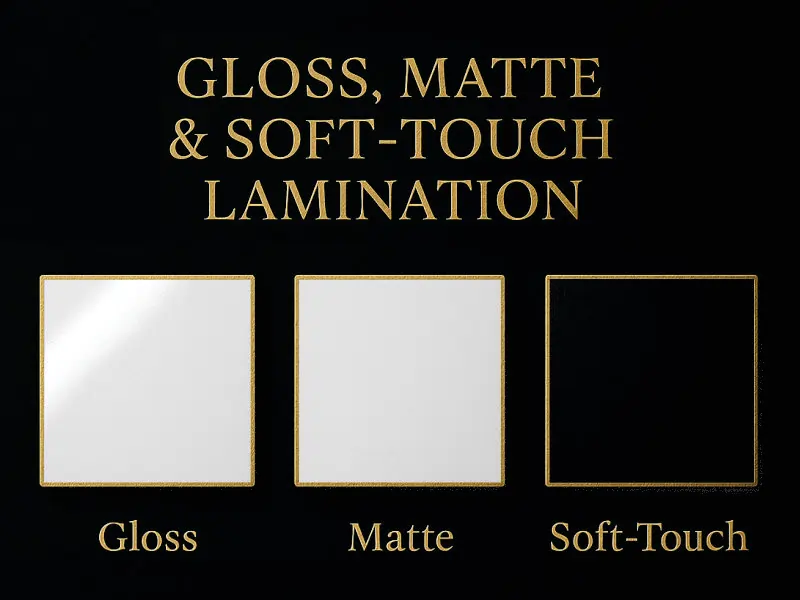
- Matte lamination
- Gloss lamination
- Soft-touch finishes
- Spot UV
- Die cutting
This allows brands to create layered visual and tactile effects.
Foil Stamping vs. Embossing: What’s the Difference?
Foil stamping and embossing are often mentioned together, but they create different effects.
Foil stamping primarily adds a decorative foil layer to the surface.
Embossing changes the physical surface by creating a raised design.
For example, a brand could stamp a gold logo onto a box to create a metallic appearance. If that same logo is embossed, the design can also have a raised tactile effect.
The two techniques can be combined when a brand wants both metallic shine and physical dimension.
This combination is especially effective for luxury rigid boxes, premium cosmetic packaging, jewelry boxes, and high-end gift packaging.

Foil Stamping vs. Spot UV
Spot UV is another popular packaging finish, but it produces a different result.
Spot UV applies a clear glossy coating to selected areas of the packaging. Instead of creating a metallic effect, it creates shine and contrast.
Foil stamping, on the other hand, transfers a foil layer to the selected area.
A simple comparison:
| Feature | Foil Stamping | Spot UV |
|---|---|---|
| Main effect | Metallic or colored finish | Glossy contrast |
| Uses foil | Yes | No |
| Metallic appearance | Yes | No |
| Works with logos | Excellent | Excellent |
| Tactile possibilities | Can be combined with embossing | Primarily surface gloss |
| Best for | Luxury accents and metallic branding | Gloss contrast and subtle detail |
Both can be effective. The better choice depends on the visual identity and packaging objective.

How to Design Packaging for Foil Stamping
Good foil stamping begins with good design.
Adding foil to every possible area does not necessarily make packaging look more premium. In many cases, selective application creates a stronger result.
Keep Important Details Clear
Foil works especially well for logos, short headlines, product names, borders, icons, and selected decorative elements.
Extremely complicated artwork may require testing before production.
Use Contrast Strategically
Think about the relationship between the foil and the background.
A metallic finish can become more noticeable when it is placed against a contrasting surface.
Avoid Overcrowding
Premium packaging often benefits from restraint.
Instead of foiling the entire box, consider highlighting one or two important elements.
For example:
Brand logo + product name + small decorative line
may be more effective than applying foil to every graphic element.
Consider the Box Material
The same foil can appear differently on coated paperboard, kraft stock, laminated board, or rigid box wrapping paper.
Always evaluate the actual substrate rather than relying only on a digital screen preview.
Request a Sample
A digital design cannot perfectly reproduce the physical appearance of foil.
A production sample can reveal differences in shine, registration, texture, color interaction, and fine-detail reproduction.
Common Foil Stamping Mistakes to Avoid
A successful foil project depends on more than choosing gold or silver.
Mistake 1: Using Too Much Foil
Excessive metallic decoration can make packaging visually crowded.
Use foil to direct attention rather than competing with every other element.
Mistake 2: Ignoring Fine Details
Very small text and extremely thin lines can present production challenges.
Ask your packaging supplier to review detailed artwork before final production.
Mistake 3: Choosing Foil Without Considering the Background
The same foil may look dramatically different depending on the color and finish underneath it.
Always consider foil and substrate together.
Mistake 4: Skipping Physical Proofing
A digital mockup is useful, but it cannot fully replicate the reflection and tactile qualities of real foil.
When appearance is critical, physical sampling is a worthwhile step.
Mistake 5: Treating Every Packaging Product the Same
A foil finish that works beautifully on a luxury perfume box may not be the best solution for a shipping carton.
The packaging format, product category, audience, and brand positioning should all influence the finishing decision.
What Products Benefit Most From Foil Stamping?
Foil stamping is especially effective when packaging needs to communicate quality, exclusivity, elegance, or visual distinction.
Common applications include:
Cosmetic Packaging
Beauty and skincare brands often use metallic logos and product names to create a premium shelf presence.
Perfume Boxes
Luxury fragrance packaging is a natural application because metallic finishes complement the high-end positioning of many fragrance products.
Jewelry Boxes
Gold, silver, rose gold, and other metallic effects can complement jewelry branding particularly well.
Candle Boxes
Foil stamping can give candle packaging a boutique or gift-oriented appearance.
Chocolate and Confectionery Boxes
Premium chocolates can use foil accents to communicate craftsmanship and indulgence.
Gift Boxes
Foil can help gift packaging look more celebratory and special.
Apparel and Fashion Packaging
Fashion brands can use foil logos and minimal metallic accents to reinforce brand identity.
Luxury Rigid Boxes
Rigid packaging provides an excellent surface for combining foil stamping with embossing, specialty papers, soft-touch finishes, and other premium effects.
Is Foil Stamping Environmentally Friendly?
The environmental impact of packaging finishing depends on the specific foil technology, substrate, production method, and overall packaging construction.
It is therefore better to avoid treating every foil product as automatically sustainable.
Brands interested in environmentally conscious packaging should discuss the exact foil construction and recycling considerations with their packaging supplier.
More broadly, sustainability should be evaluated across the complete package including the board, coatings, adhesives, inks, finishes, and end-of-life pathway rather than judging one finishing technique in isolation.
How Much Does Foil Stamping Cost?
There is no single price for foil stamping.
The final cost can depend on several factors, including:
- Packaging material
- Box size
- Foil type
- Foil coverage
- Number of colors or finishes
- Die requirements
- Order quantity
- Artwork complexity
- Number of packaging panels being stamped
- Combination with embossing or other finishes
- Production setup requirements
For this reason, a small foil logo may have a very different cost from a large-area foil treatment covering several panels.
If cost efficiency is important, selective foil application can often provide a premium visual effect without covering the entire package.
How to Choose the Right Foil Finish for Your Brand
Start with your brand personality rather than choosing a foil color simply because it looks attractive.
Ask these questions:
Is your brand luxurious?
Gold, silver, rose gold, or specialty metallic finishes may work well.
Is your brand modern and minimalist?
Consider restrained silver, matte foil, or a small metallic logo.
Is your brand playful or attention-focused?
Holographic or colored foil may create more visual energy.
Is your packaging natural or artisan-inspired?
A carefully selected metallic accent can complement kraft or earthy packaging without overwhelming it.
Do you want texture as well as shine?
Consider combining foil stamping with embossing or debossing.
The best packaging finish is the one that supports the brand story rather than simply adding decoration.
Final Thoughts: Is Foil Stamping Right for Your Packaging?
Foil stamping remains one of the most effective ways to add a premium finishing detail to custom boxes.
From a simple metallic logo to a sophisticated combination of foil and embossing, the technique gives brands a wide range of ways to make packaging more distinctive.
The key is strategic application.
Choose the foil based on your brand identity. Select a suitable substrate. Keep detailed artwork production-friendly. Consider how the finish interacts with the background. And whenever the appearance is especially important, evaluate a physical sample before committing to a large production run.
For brands creating custom product boxes, foil stamping can transform a basic printed package into a more memorable representation of the product inside.
At Product Boxes Shop, foil stamping can be considered as part of a broader custom packaging strategy, alongside materials, printing, box structure, and other premium finishing options. The goal should always be the same: create packaging that protects the product while presenting the brand with clarity and confidence.
Frequently Asked Questions About Foil Stamping
What is foil stamping in packaging?
Foil stamping is a finishing process that transfers a thin layer of metallic, colored, or specialty foil onto selected areas of packaging. Traditional hot foil stamping generally uses a heated die and pressure to create the finished effect.
What is the most popular foil color for packaging?
Gold and silver remain popular choices because they provide recognizable metallic finishes. However, rose gold, copper, holographic, matte, and colored foils can also be suitable depending on the brand and product.
Can foil stamping be used on cardboard boxes?
Yes. Foil stamping can be used on many cardboard and paperboard packaging formats, provided the material and surface are suitable for the selected foil process. Sampling can help confirm the final result.
Can foil stamping and embossing be used together?
Yes. Combining foil stamping with embossing can create both metallic color and physical dimension. This combination is frequently used for premium branding elements such as logos, emblems, and product names.
Is foil stamping better than standard printing?
Foil stamping is not necessarily a replacement for standard printing. Instead, it is usually a finishing technique used to emphasize selected packaging elements. Standard printing can provide the main artwork while foil adds premium visual accents.
Is foil stamping suitable for small businesses?
Yes. Small businesses can use foil strategically on logos, product names, labels, sleeves, or selected box panels. The most cost-effective approach depends on order quantity, material, foil coverage, and production requirements.
Key Takeaway
Foil stamping is more than a shiny packaging effect—it is a branding tool. When used selectively and matched with the right material, artwork, and box style, it can strengthen shelf appeal, improve perceived value, and create a memorable unboxing experience.
Share on: